
Artisanal Decoration
A Beginner’s Guide for Scared Creatives
If you've ever wanted to make something with your hands but felt intimidated by a blank canvas, artisanal decoration is the doorway in.
It's one of my favorite creative activities to share in workshops because it skips the part that scares most people: you don't have to invent an image from scratch. You start with something that already exists, a tote bag, a pair of sneakers, a straw hat, a ceramic bowl, and you make it yours. No drawing skills required, no hours-long commitment, no instructor whispering in your ear. Just you, a few supplies, and the freedom to play.
It's the perfect creative activity if you're short on time, low on confidence, or simply in the mood to make something beautiful without overthinking it.
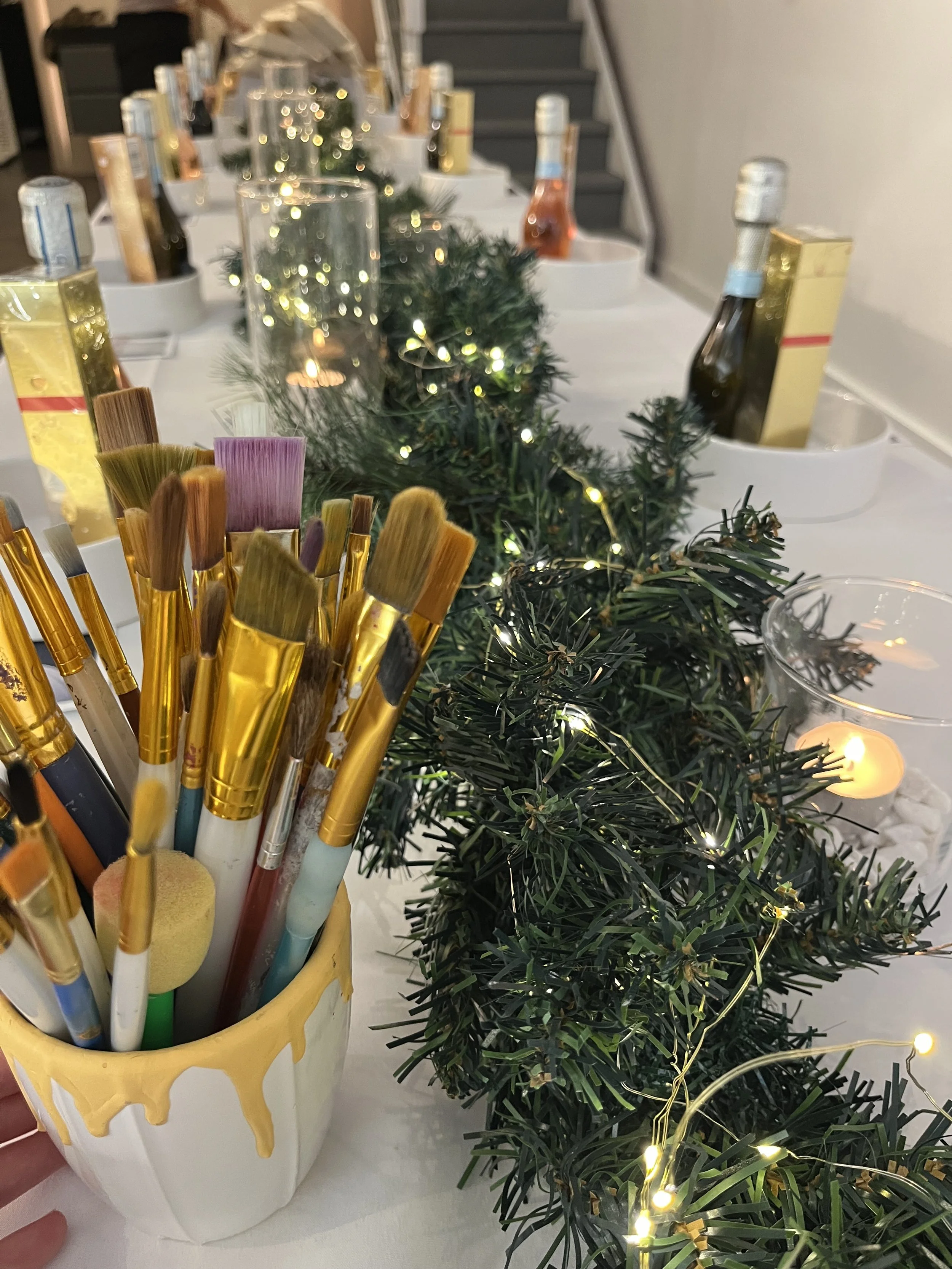
What You'll NeedYou probably already have most of this lying around. If not, a single trip to a craft store covers you:
• A base object: a tote bag, canvas shoes, a denim jacket, a hat, a wooden box, or a ceramic piece (bowl, vase, plate)
• Acrylic paint, acrylic markers, or fabric-friendly paint (for textiles and accessories)
• Permanent markers or acrylic markers (for ceramics)
• A scrap piece of paper or cardboard to test colors and strokes before committing
• Optional embellishments: stickers, trinkets, buttons, lace, sequins, ribbons, beads
• Hot glue gun and/or needle and thread (for attaching the embellishments)
That's it. No studio, no fancy easel, no pressure.
A Little Bit of Artisanal History
Artisanal decoration is one of the oldest creative traditions humans have. Long before galleries and museums, people were painting their pottery, embroidering their clothing, beading their bags, and adorning everyday objects with meaning. From hand-painted Mexican Talavera to embroidered denim jackets to the trinket-covered jewelry boxes our grandmothers kept on their dressers.
Decorating what we already own is a deeply human impulse.
What I love about it is that it sits right at the intersection of art and life. You're not making something to hang on a wall and admire from a distance. You're making something you'll wear, carry, or place on your kitchen shelf. The art lives with you.
Two Ways to Decorate
There's no single way to do this, but here are the two approaches I most often guide people through in workshops:
1. Accessories & ClothingBags, shoes, hats, denim jackets, t-shirts, anything fabric or canvas is fair game. You have two main directions you can take:
Paint it. Reach for acrylic paint, acrylic markers, or fabric-friendly paint. Before you touch your piece, grab a scrap of paper and test the materials. Acrylic markers behave differently than fabric paint, which behaves differently than a brush dipped in acrylic. Try also painting with stamps, cotton balls, sponges, you name it! See how each one feels, how it bleeds, how it dries. This little warm-up is what separates a piece you love from a piece you regret.
Embellish it. Think of it as a relief collage, instead of paper on paper, you're layering stickers, trinkets, buttons, lace, sequins, ribbons, or beads onto your base. A hot glue gun is your fastest friend here, but a needle and thread give you a more durable finish for anything you'll actually wear and wash.
Of course, you can absolutely combine both. Paint a base layer, then add embellishments on top.
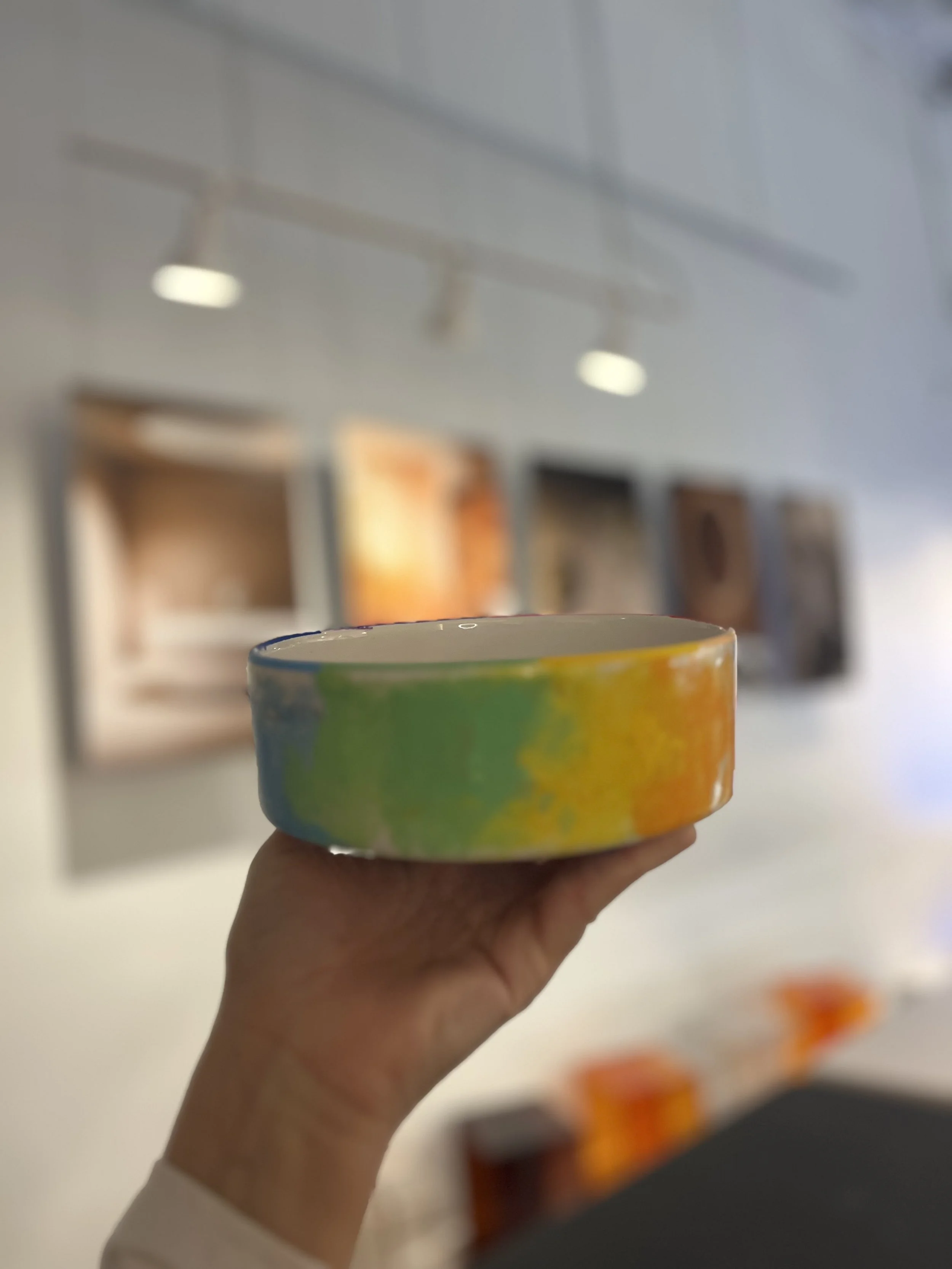
2. Decorative CeramicsPlain ceramic pieces, bowls, vases, plates, small sculptures, make a beautiful surface for permanent markers and acrylic paint or markers. The trick: keep them decorative. Don't eat or drink from them, and don't put them through the dishwasher. Without proper food-safe glazing and kiln-firing, the paint isn't safe to consume from and won't survive scrubbing. Treat them as objects to look at, not objects to use. A painted bowl on a console table, a vase holding dried flowers, a plate hung on a wall.
Try This Exercise: Start With a ConceptHere's how I'd suggest setting up your first artisanal decoration session (solo or with friends).
Put all your supplies in the center. Whether you're alone at your kitchen table or hosting four friends, lay everything out where it's accessible to everyone. This isn't just practical, it changes the energy. It invites you to reach, grab, swap, try.
Pick a concept or main idea before you start. Not a detailed plan, just a vibe. "Tropical." "Wildflowers." "My summer in Japan." "Black and gold only." "Art Deco." Having an anchor stops the paralysis of infinite choice without locking you into rigid rules.
Test before you commit. Keep that scrap paper next to you. Try your colors. See how a sticker looks before you stick it for good.
Treat it like a game. This is the therapeutic part, the part that actually matters. Don't think too hard. Let your hands move. Place something, then place another thing next to it, and notice how they feel together. Trust your gut. Your brain creates beautifully when you let it work intuitively instead of strategically.
That's the whole secret: structure at the start, freedom in the middle.
Why I Love Artisanal Decoration
It's the most forgiving creative activity I teach. You can finish a project in an hour or stretch it across an afternoon. You can do it completely on your own, no instructor, no tutorial, no pressure. And at the end, you have something you actually use: a bag you carry, a hat you wear, a bowl that sits on your shelf and reminds you that you made it.
It's the perfect entry point for anyone who's nervous about "making art" but ready to make something. And honestly, it's a beautiful group activity too, birthday parties, bridal showers, team-building events, casual creative nights with friends. Artisanal decoration scales from solo therapy to a room full of laughter.
Whatever you choose to decorate, remember: the goal isn't perfection. It's to have fun.


Discover artisanal decoration as a fun, low-pressure creative activity for beginners. Decorate bags, shoes, hats, clothing, and ceramics with paint, markers, and embellishments. Perfect for solo creative time, workshops, and parties in Miami.